What Tuscany Can Learn from Texas Hill Country Getaways
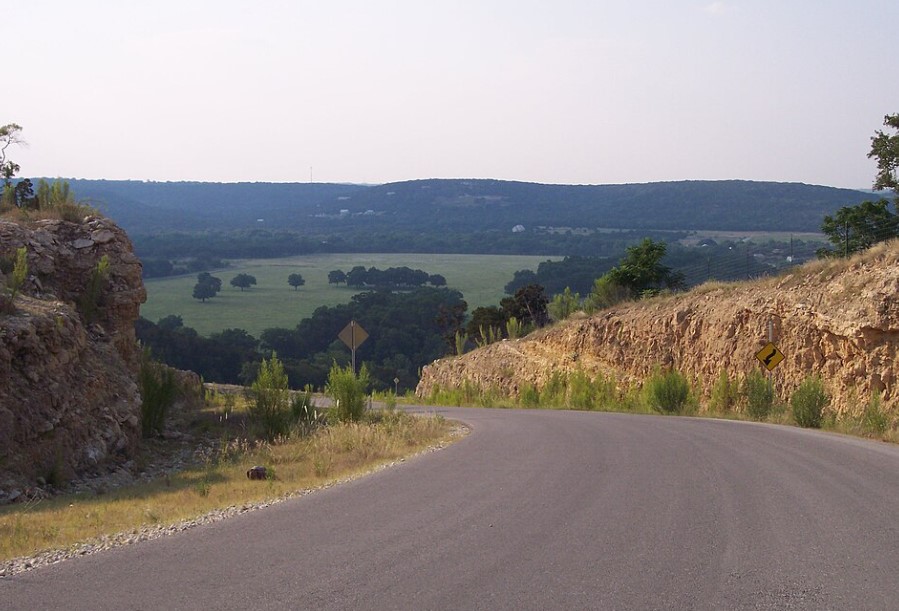
CMBJ, Hays - Hill Country 2, CC BY-SA 2.5
While Tuscany dazzles with centuries-old charm, Texas Hill Country offers valuable lessons in modernizing rural tourism. You'll find innovative approaches to blending rustic aesthetics with luxury amenities, diversifying beyond wine tourism, implementing effective disaster recovery plans, and creating authentic cultural experiences that balance visitor needs with local community priorities.
These Texas strategies could help Tuscany maintain its timeless appeal while meeting today's traveler expectations and environmental challenges. The Lone Star approach might just revolutionize your Italian countryside experience.
Bridging Rustic Charm with Modern Luxury Accommodations
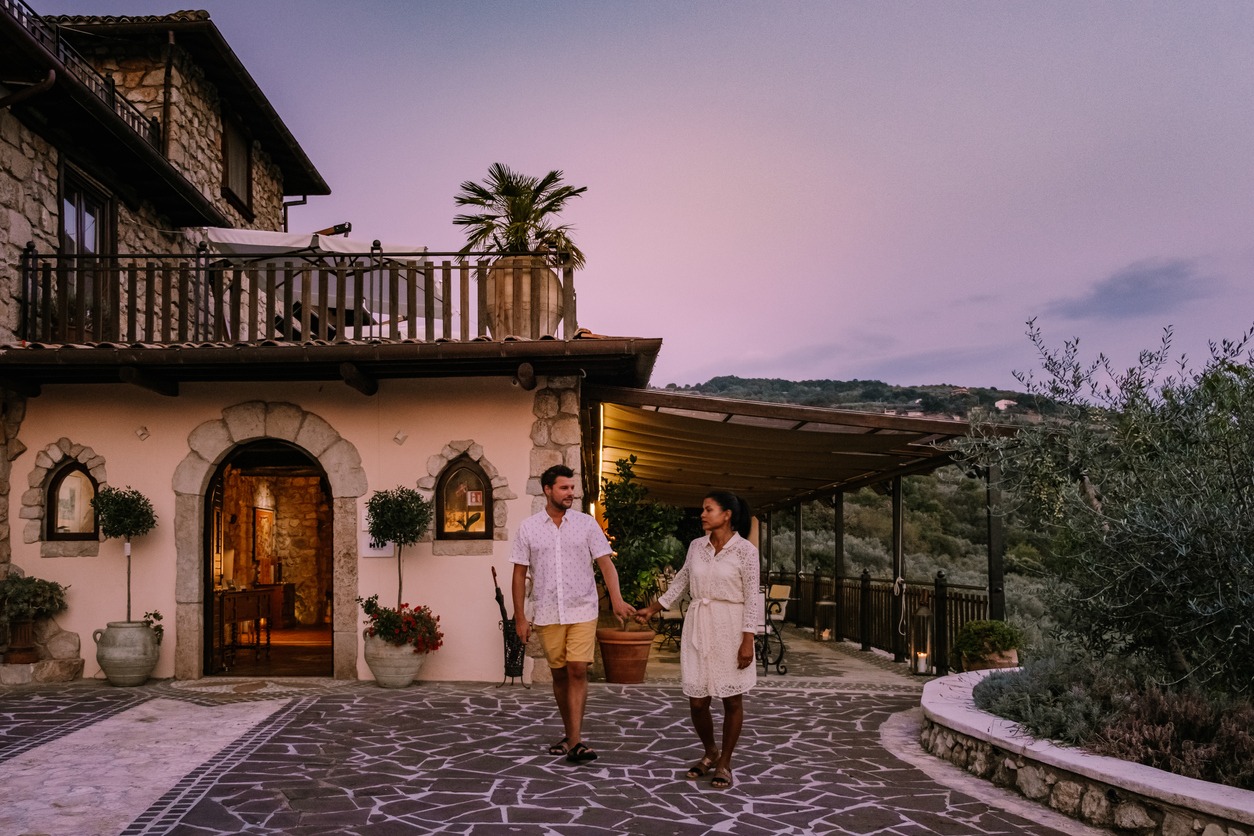
hile traditional Texas hospitality has always welcomed visitors with open arms, today's Hill Country getaways have masterfully evolved to satisfy even the most discerning travelers. You'll find limestone facades and exposed beams seamlessly integrated with floor-to-ceiling windows that frame breathtaking countryside views.
Luxury properties now feature personalized service offerings that transform rustic settings into refined experiences. From boutique B&Bs in historic homes to high-end branded resorts like the upcoming Waldorf Astoria Texas Hill Country in Fredericksburg, each venue balances authentic character with modern amenities. The region's unique glamping options provide climate-controlled tents with plush furniture for those seeking nature without sacrificing comfort.
The region's accommodations excel in customized event packages, offering versatile spaces that shift from indoor elegance to alfresco gatherings with fire pits and outdoor kitchens. These thoughtfully designed spaces create environments where rustic charm and luxury coexist without compromising either tradition or comfort.
Diversifying Rural Tourism Beyond Wine and Cuisine
Though the Hill Country's wine trails and culinary scenes have put the region on the tourism map, savvy travelers are discovering that rural Texas offers far more diverse experiences beyond food and drink. You'll find ranchers expanding nature-based attractions that transform traditional hunting operations into year-round destinations for wildlife watching, photography, and outdoor recreation.
Consider these immersive agritourism experiences that are revolutionizing rural tourism:
- Specialized B&Bs catering to birders and nature enthusiasts
- Ranch stays featuring horseback riding and authentic farm activities
- Cultural heritage tours connecting visitors with Texas's agrarian traditions
- Guided outdoor adventures with "new breed" outfitters who educate about local ecosystems
These diversification strategies aren't just supplementing income for rural communities—they're preserving agricultural heritage while creating sustainable tourism models that Tuscany could emulate.
Effective Disaster Recovery and Environmental Resilience Planning
When natural disasters strike the Texas Hill Country, as evidenced by the devastating July 4, 2025 floods, the region's response reveals a sophisticated network of recovery systems and environmental planning.
You'll find remarkable efficiency in coordinating public-private partnerships, with FEMA, local foundations, and nonprofits like Texans on Mission working together to support affected communities.
What sets the Hill Country's approach apart is its all-encompassing support system. Small businesses receive affordable financing through dedicated relief programs, while individuals access centralized assistance at Disaster Recovery Centers in Kerrville and Hunt. FEMA provides essential assistance for temporary housing, emergency repairs, and uninsured losses through these Disaster Recovery Centers.
The region excels at integrating mental health support throughout recovery efforts, providing trauma-focused resources alongside physical rebuilding assistance. This holistic strategy—combining financial aid, volunteer mobilization, and psychological care—creates a resilience model worth emulating.
Creating Authentic Cultural Experiences for Extended Stays
The Texas Hill Country offers far more than resilient disaster recovery systems—it invites you to immerse yourself in distinctive cultural experiences ideal for extended getaways. By curating multisensory visitor experiences that blend nature and culture, the region creates authentic connections that keep you engaged for days.
Discover the region's cultural depth through:
- Wine trails featuring dozens of local wineries producing everything from bold reds to crisp whites, complemented by craft breweries and seasonal festivals
- Live music venues from historic dance halls to modern theaters showcasing the region's rich musical heritage
- Small towns with preserved German architecture and heritage museums celebrating diverse cultural influences
- Outdoor activities at natural landmarks like Enchanted Rock that interweave cultural storytelling with accessible adventure options
Visitors can enjoy miles of scenic trails along rivers such as the Guadalupe River while experiencing the region's natural beauty up close.
Balancing Tourism Growth With Local Community Needs
Many Hill Country communities face a pivotal challenge: how to embrace tourism's economic benefits while preserving the authentic character and livability that attracted visitors in the first place. With Fredericksburg's median home price rising and workforce affordability challenges mounting, service workers increasingly commute long distances, putting pressure on the very services tourists enjoy. The city has transitioned from a destination primarily for antique shopping to one focused on experiential tourism.
You'll find successful towns like Boerne integrating cultural heritage with modern attractions while prioritizing local business development. This approach maintains community character even as visitor numbers grow.
The region's roughly $22.4 billion in travel spending must be balanced against infrastructure strain and resident displacement.
Smart planning means developing housing solutions aligned with tourism growth, managing seasonality to prevent overcrowding, and ensuring environmental resilience – especially following recent flooding that disrupted both tourism and local life.
Innovative Digital Marketing Strategies for Heritage Destinations
Successful heritage destinations throughout the Texas Hill Country have reshaped their approach to visitor attraction by embracing data-driven digital marketing strategies.
You'll find they've shifted from quantity to quality, targeting affluent markets beyond day-trip distances through geographically focused campaigns. This targeting approach has generated impressive results by focusing on markets like Dallas and Houston, which offer more potential for multi-day visits rather than just day trips from nearby cities.
- Quality over quantity - Fewer, visually compelling full-page ads have replaced widespread small placements, attracting higher-income travelers
- Print-digital integration - Strategic use of print "visual speed bumps" combined with an expanded digital presence (often the majority of media spend) creates a balanced conversion funnel
- Personalized digital itineraries - Tailored travel experiences highlighting local heritage encourage longer stays and increased spending
- Social media content strategies - Leveraging user-generated content and community stories across platforms builds authentic engagement while providing measurable metrics for ongoing optimization
Developing Sustainable Workforce Housing Solutions
While Texas Hill Country attracts millions of visitors with its stunning landscapes and heritage destinations, local communities face a growing workforce housing crisis that threatens economic sustainability. In Gillespie County, many workers now commute long distances because they can't find affordable housing locally, a challenge documented in recent housing studies.
You'll find Texas has distinct advantages for addressing this challenge: relatively lower construction costs, modest municipal fees in many jurisdictions, and expedited project timelines compared with more heavily regulated markets.
Public-private partnerships are creating viable solutions by leveraging these cost efficiencies while incentivizing affordable housing construction specifically for middle-income earners. Studies show that these housing options help increase job retention and productivity by eliminating long commutes for workers.
The approach is gaining traction—unlike areas with more complex regulatory environments, many Texas communities can develop workforce housing that meets demand without the excessive costs and delays that plague other regions.