
The Importance of Orthopaedic Care for Pets
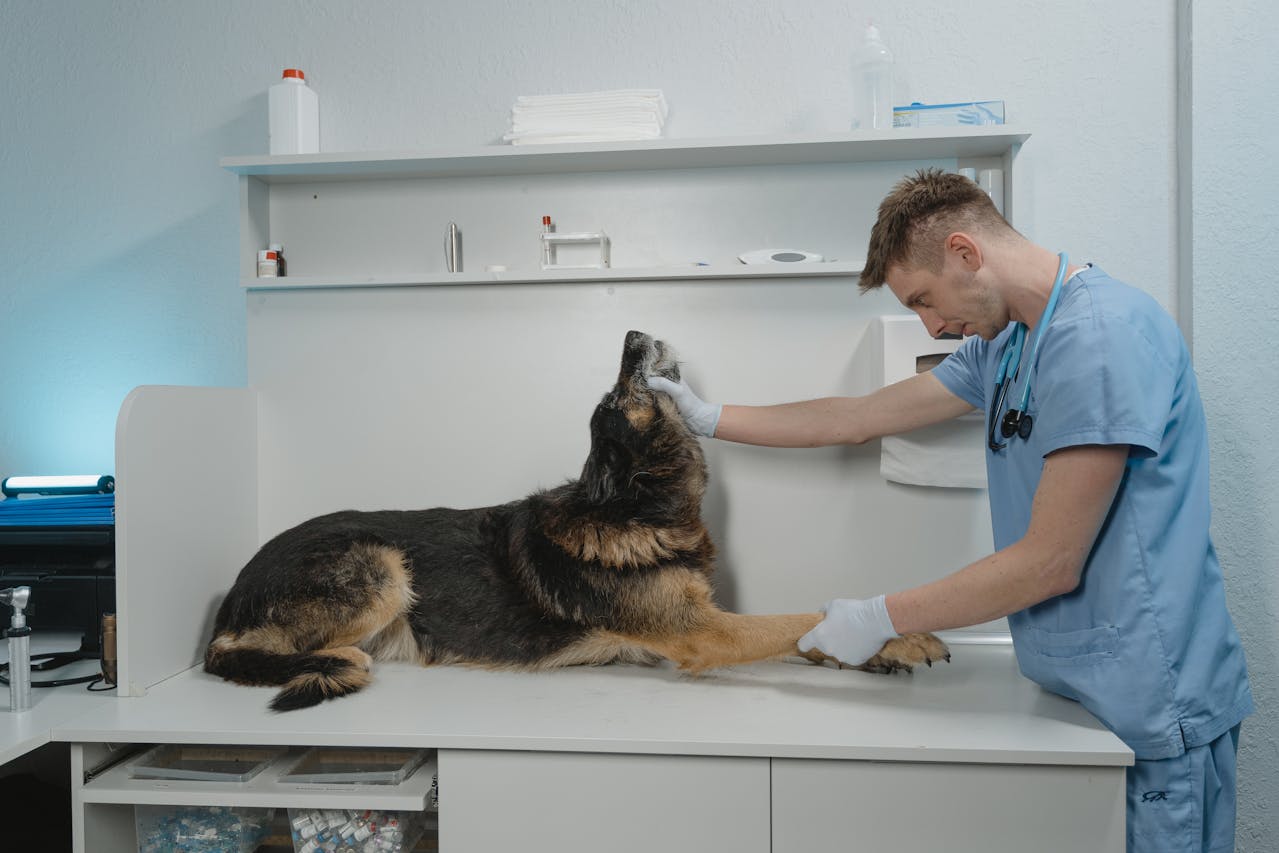
Pets are active companions that rely on healthy joints, bones, and muscles to enjoy a good quality of life. Whether running, jumping, playing, or simply moving comfortably around the home, mobility is essential for an animal’s overall wellbeing. Unfortunately, injuries, age-related conditions, and genetic issues can all affect a pet’s ability to move freely. This is where specialist orthopaedic veterinary care becomes incredibly important. Trusted practices such as Southpaw Veterinary Orthopaedic Centre provide advanced treatment and rehabilitation services designed to help pets recover from injuries and improve long-term mobility.
What Is Veterinary Orthopaedics?
Veterinary orthopaedics focuses on diagnosing and treating conditions affecting bones, joints, ligaments, tendons, and muscles in animals.
Treating Injuries and Conditions
Orthopaedic specialists manage a wide range of issues, including fractures, ligament injuries, hip dysplasia, arthritis, and joint problems.
Supporting Mobility and Comfort
The goal of orthopaedic treatment is to reduce pain, restore movement, and improve a pet’s overall quality of life.
Combining Surgery and Rehabilitation
Many orthopaedic cases involve both surgical treatment and rehabilitation exercises to support long-term recovery.
Common Orthopaedic Problems in Pets
Some conditions are more common in certain breeds, ages, or activity levels.
Cruciate Ligament Injuries
Ligament injuries in dogs, particularly cranial cruciate ligament damage, are one of the most frequently treated orthopaedic conditions.
Hip Dysplasia
Hip dysplasia is a genetic condition that affects joint stability and mobility, commonly seen in larger dog breeds.
Arthritis and Joint Degeneration
Older pets often experience arthritis, which can cause stiffness, discomfort, and reduced activity levels.
Fractures and Trauma Injuries
Falls, accidents, or high-impact activity can lead to broken bones or other serious orthopaedic injuries.
Signs a Pet May Need Orthopaedic Care
Recognising early symptoms can help pets receive treatment before conditions worsen.
Limping or Lameness
Persistent limping or favouring one leg may indicate injury or joint pain.
Difficulty Standing or Climbing
Pets struggling with stairs, jumping, or getting up from rest may be experiencing mobility issues.
Reduced Activity Levels
A noticeable decrease in energy or reluctance to exercise can sometimes be linked to discomfort or pain.
Swelling or Stiffness
Joint swelling or stiffness, especially after rest, may signal arthritis or injury.
The Benefits of Early Diagnosis and Treatment
Addressing orthopaedic problems early often improves long-term outcomes for pets.
Faster Recovery
Early intervention can reduce complications and help pets recover more efficiently.
Better Pain Management
Prompt treatment helps minimise discomfort and improve day-to-day quality of life.
Preventing Further Damage
Untreated injuries can place additional strain on other joints and muscles over time.
Rehabilitation and Recovery for Pets
Recovery is an important part of orthopaedic treatment.
Physiotherapy and Exercise
Controlled exercises help rebuild strength, improve mobility, and support healing after surgery or injury.
Hydrotherapy
Water-based therapy is commonly used to improve movement while reducing stress on joints.
Weight Management
Maintaining a healthy weight can significantly reduce pressure on joints and support recovery.
Advances in Veterinary Orthopaedics
Veterinary medicine continues to evolve, offering more advanced treatment options for pets.
Improved Surgical Techniques
Modern orthopaedic procedures are often less invasive and support faster recovery times.
Advanced Diagnostic Imaging
Digital X-rays, CT scans, and other imaging tools help veterinarians diagnose conditions more accurately.
Personalised Treatment Plans
Many veterinary centres now tailor rehabilitation and treatment programmes to the individual needs of each pet.
Tips for Supporting Pet Joint Health
Pet owners can take several steps to support mobility and orthopaedic health.
Encourage Regular Exercise
Consistent low-impact activity helps maintain muscle strength and joint flexibility.
Monitor Weight Carefully
Excess weight places additional stress on joints and can worsen mobility problems.
Attend Routine Veterinary Check-Ups
Regular health assessments can help identify issues early before they become more serious.
FAQs
What is veterinary orthopaedics?
Veterinary orthopaedics focuses on treating bone, joint, ligament, and mobility-related conditions in animals.
How do I know if my pet has joint pain?
Common signs include limping, stiffness, difficulty standing, reduced activity, or reluctance to jump and climb stairs.
Can arthritis in pets be treated?
While arthritis cannot always be cured, treatment can help manage pain and improve mobility.
What is hydrotherapy for pets?
Hydrotherapy uses water-based exercises to support rehabilitation while reducing strain on joints.
Are orthopaedic surgeries safe for pets?
Modern veterinary orthopaedic procedures are generally safe and are carefully planned to support recovery and long-term wellbeing.
Conclusion
Orthopaedic care plays a vital role in helping pets recover from injuries, manage joint conditions, and maintain mobility throughout their lives. With advances in veterinary medicine, rehabilitation techniques, and surgical treatment, many pets can continue enjoying active and comfortable lifestyles even after serious injuries or age-related conditions. Early diagnosis, professional care, and ongoing support all contribute to improving the health and wellbeing of beloved pets.