
Why Texas Is Worth Adding to Your Travel Bucket List
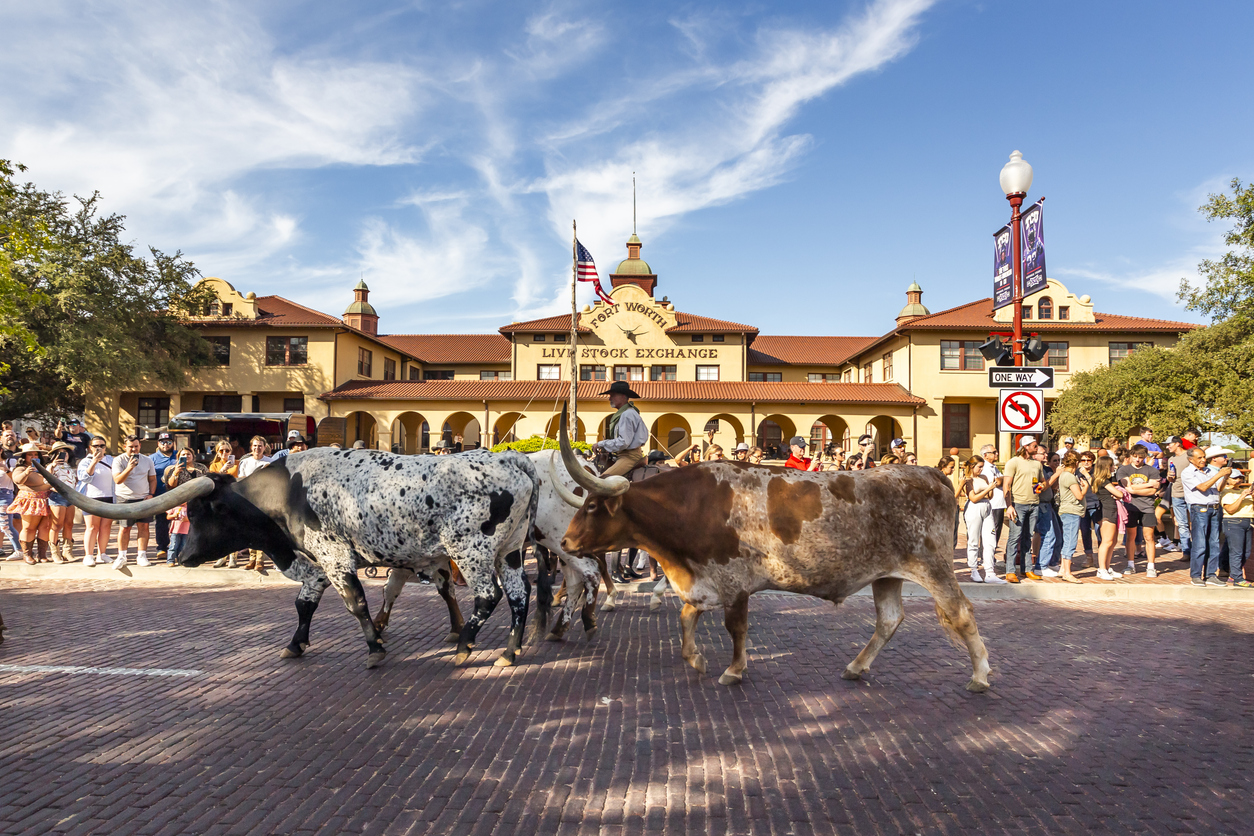
Texas earns its place on your travel bucket list because of its sheer scale, diversity, and economic impact as a global destination. The state consistently ranks among the most visited in the U.S., welcoming tens of millions of out-of-state travelers each year alongside a strong in-state travel base.
From Houston’s booming visitor economy to San Antonio’s historic draw and Austin’s cultural scene, Texas combines major-city experiences, cultural landmarks, and natural landscapes in a way few states can match. Ongoing infrastructure investments, expanding hotel capacity, and global events like the FIFA World Cup 2026 continue to strengthen its appeal.
Texas Tourism Revenue Hit Nearly $100 Billion Annually
Texas continues to post record-breaking tourism spending, with total travel-related expenditures approaching $100 billion annually in recent years. This includes both domestic and international visitors, as well as strong in-state travel activity.
Visitor spending supports a wide range of industries—from hotels and restaurants to retail, transportation, and entertainment—creating a broad economic ripple effect across the state.
Statewide tourism also generates billions in tax revenue, helping fund public services and infrastructure without placing additional burden on residents.
The Tourism Industry Supports Over 1 Million Texas Jobs
Behind the spending is a massive workforce. Texas’s travel and hospitality industry supports well over 1 million jobs statewide, making it one of the largest employment sectors in the state.
These jobs span hotels, restaurants, attractions, event venues, and transportation services, offering opportunities across both major cities and smaller communities.
As tourism demand has rebounded and expanded, the sector continues to grow, reinforcing Texas as a major national leader in hospitality employment.
Houston Tourism Generated Nearly $11 Billion in Visitor Spending
Houston stands out as one of the strongest tourism economies in Texas. Recent data shows that visitors to the city spent nearly $11 billion in 2024, highlighting its importance as a major travel destination.
The city attracts tens of millions of visitors annually, driven by a mix of business travel, conventions, cultural attractions, and international tourism.
Events and large-scale venues—such as conventions, sports, and upcoming global events like the FIFA World Cup 2026 matches at NRG Stadium—continue to boost Houston’s visibility and long-term tourism growth.
Hotel Demand and Airport Traffic Continue to Grow
Texas’s tourism growth is supported by strong infrastructure expansion across hotels and airports.
Major metro areas like Dallas-Fort Worth and Houston have seen steady hotel occupancy rates and rising revenue per available room (RevPAR), particularly in upscale and business travel segments.
At the same time, Texas’s large network of commercial airports continues to expand capacity, making travel between cities and from international destinations more accessible.
New hotel developments—including thousands of additional rooms in planning or construction—reflect long-term confidence in Texas as a travel destination.
Millions of Visitors Continue Exploring Texas Each Year
Texas consistently attracts tens of millions of overnight visitors annually, along with hundreds of millions of total trips when day travel is included.
Travelers come for a wide range of experiences:
- Historic cities like San Antonio
- Cultural hubs like Austin
- Major business and convention centers like Houston and Dallas
- Natural destinations such as Hill Country and Big Bend
This mix of urban and outdoor attractions is one of the key reasons Texas remains a top-tier travel destination nationwide.
Top Texas Destinations by Region
Texas’s appeal lies in its regional diversity, with each area offering distinct experiences worth adding to your itinerary.
Hill Country (Central Texas) Rolling landscapes, wineries, and historic towns define this region. Visit Fredericksburg for German heritage and wine tasting, Wimberley for swimming holes like Blue Hole Regional Park, and Enchanted Rock for hiking and panoramic views.
Gulf Coast (South & Southeast Texas) For beaches and coastal culture, head to Galveston Island for historic architecture and family attractions, or Port Aransas and South Padre Island for relaxed beach escapes and water activities.
West Texas This region offers some of the state’s most dramatic scenery. Big Bend National Park features desert landscapes and stargazing, while Marfa is known for its art scene and mysterious lights.
North Texas (Dallas–Fort Worth) A mix of urban energy and cultural institutions, including Fort Worth Stockyards, Dallas Arts District, and major shopping and dining destinations.
These regional contrasts make Texas ideal for travelers who want multiple experiences in one trip.
International Tourism Continues to Expand
International visitors play a growing role in Texas tourism, particularly in cities like Houston. Travelers from Mexico remain one of the largest and fastest-growing visitor segments, supported by strong geographic, cultural, and economic ties.
Houston alone welcomes millions of international visitors annually, contributing significantly to hotel stays, retail spending, and cultural tourism.
As global travel continues to rebound, Texas is well-positioned to increase its share of international tourism.
Tourism Taxes Generate Billions for Texas Communities
Tourism doesn’t just benefit visitors—it directly supports local communities. Travel-related taxes generate billions of dollars annually in state and local revenue, helping fund:
- Infrastructure improvements
- Public services
- Tourism promotion and destination development
Cities like San Antonio rely heavily on tourism, with the hospitality industry supporting over 140,000 jobs locally and generating significant hotel tax revenue used for cultural and convention investments.
What It Costs to Travel in Texas
Texas offers a wide range of travel options, from budget-friendly trips to luxury experiences.
- Budget travelers: $100–$180 per day (budget hotels, casual dining, limited attractions)
- Mid-range travelers: $180–$300 per day (3–4 star hotels, dining out, paid attractions)
- Luxury travelers: $300+ per day (high-end hotels, fine dining, premium experiences)
Transportation, especially rental cars and fuel, is often one of the largest expenses due to long travel distances between cities.
Travelers can save by booking accommodations early, visiting during shoulder seasons, and combining multiple attractions within one area.