Houston Food & Culture Travel Guide for Visitors
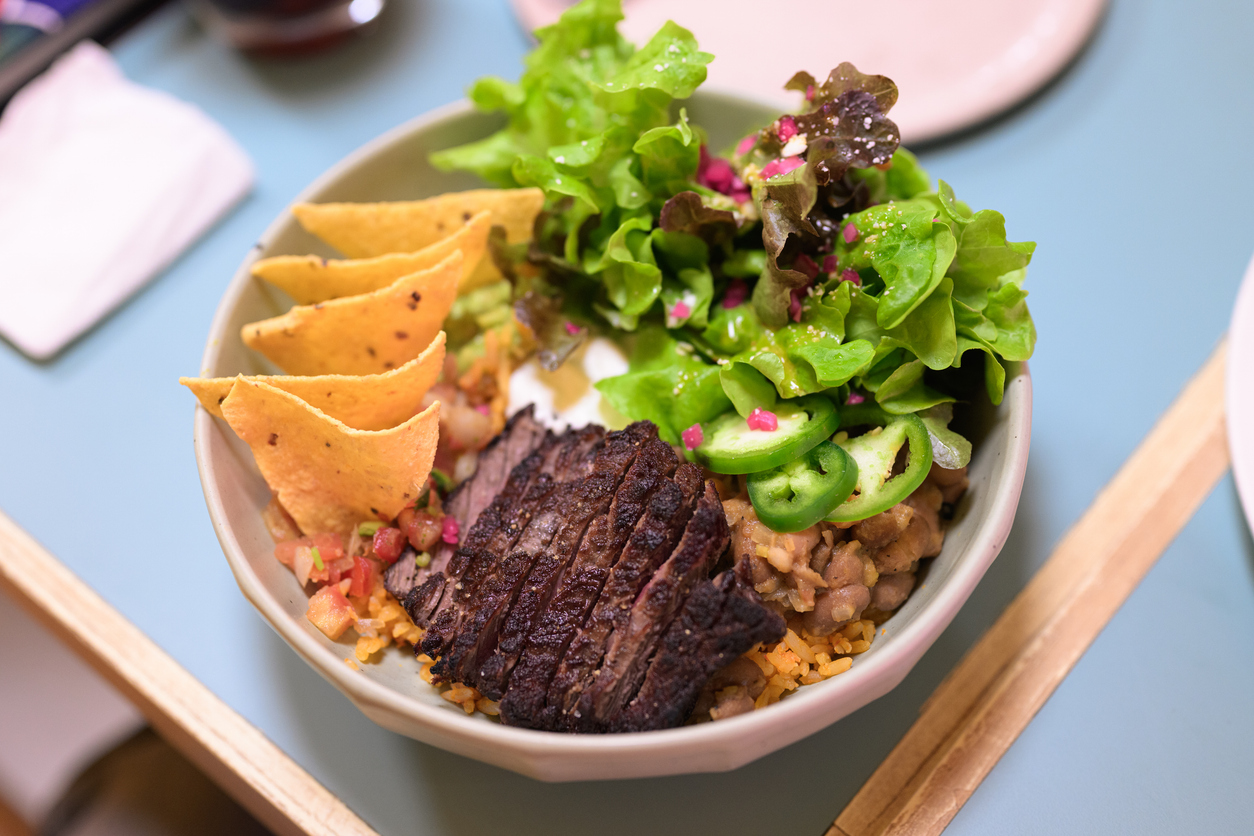
Houston’s food scene is one of the most diverse in the United States, shaped by global influences, immigrant communities, and Texas culinary traditions. From Viet-Cajun seafood to classic Tex-Mex and barbecue, the city offers dishes you won’t easily find anywhere else. You’ll also find vibrant dining corridors like Bellaire Boulevard in Asiatown, along with chef-driven restaurants and bustling food halls that reflect Houston’s cultural depth. This guide highlights where to eat, what to try, and how to explore Houston through its food.
Houston’s Signature Fusion Dishes You Can’t Miss
View this post on Instagram
Houston’s culinary identity is defined by its ability to blend cultures into bold, memorable dishes. One of the most well-known examples is Viet-Cajun crawfish, which combines Vietnamese spices and techniques with Louisiana-style seafood boils. This style is especially popular in areas like Asiatown (often referred to as Chinatown along Bellaire Boulevard). Restaurants like Blood Bros. BBQ showcase creative fusion by combining Texas barbecue with Asian influences, offering items like brisket fried rice and Asian-inspired ribs. Chef Christine Ha, known for her Vietnamese-American cuisine, has also contributed to Houston’s fusion scene through dishes that combine traditional Vietnamese flavors with modern techniques. These cross-cultural combinations reflect Houston’s identity as a city where culinary traditions constantly evolve.
Chinatown, The Heights, and EaDo: Where to Eat Across Houston Neighborhoods
View this post on Instagram
Houston’s best food experiences are often tied to its neighborhoods, each offering a distinct culinary identity. Asiatown (Bellaire Boulevard area) is one of the largest and most diverse Asian dining districts in Texas. Here you’ll find Vietnamese, Chinese, Korean, and Thai restaurants, including popular spots like Fung’s Kitchen (dim sum) and numerous phở and noodle houses. The Heights blends traditional and modern dining, with barbecue spots like Pinkerton’s Barbecue alongside cafés and casual eateries. EaDo (East Downtown) has grown into a hub for trendy restaurants, breweries, and casual dining, offering a mix of international flavors and local concepts. Exploring these neighborhoods provides a deeper understanding of Houston’s multicultural food scene.
Must-Try Dishes by Neighborhood in Houston
View this post on Instagram
Exploring Houston’s food scene becomes even more rewarding when you know what to order in each area. In Asiatown (Bellaire Boulevard), try phở, bánh cuốn, and dim sum, with standout options like soup dumplings and hand-pulled noodles at local favorites such as Fung’s Kitchen. In The Heights, barbecue is a highlight—order brisket, ribs, and house-made sides at places like Pinkerton’s Barbecue. Montrose offers a mix of global cuisine, where you’ll find tacos, brunch dishes, and modern fusion plates in locally owned cafés and restaurants. In EaDo, look for creative comfort food and street-style dishes, often paired with craft beer or cocktails. Each neighborhood reflects a different side of Houston’s culinary identity, making it worth trying signature dishes in every area you visit.
Award-Winning Houston Restaurants and Contemporary Dining
View this post on Instagram
Houston’s dining scene also includes nationally recognized, chef-driven restaurants. Theodore Rex, led by chef Justin Yu, is known for its seasonal menu and creative use of locally sourced ingredients. Restaurants like Bludorn bring French-inspired techniques into a Texas setting, offering refined dishes in a relaxed environment. These establishments highlight Houston’s ability to balance fine dining with a casual, approachable atmosphere, making high-quality cuisine accessible to a wide range of visitors.
Truth BBQ, Feges BBQ, and Original Ninfa’s: Houston Classics
View this post on Instagram
No Houston food guide is complete without its iconic barbecue and Tex-Mex institutions. Truth BBQ is widely recognized for its expertly smoked brisket and consistently ranks among the top barbecue spots in Texas. Feges BBQ offers a modern take on barbecue, combining traditional smoking techniques with creative sides and menu items. The Original Ninfa’s on Navigation is credited with popularizing fajitas in Houston, making it a must-visit for Tex-Mex history and flavor. These restaurants represent the foundation of Houston’s culinary identity.
POST Market, Phoenicia Specialty Foods, and Global Food Halls
View this post on Instagram
Houston’s food halls and markets provide a convenient way to sample a wide range of cuisines in one place. POST Market, located in a former downtown post office building, features multiple vendors offering everything from pizza and tacos to international street food. Phoenicia Specialty Foods is a well-known international market offering prepared foods, groceries, and imported ingredients from around the world. In Asiatown, shopping centers like Hong Kong City Mall include food courts and restaurants that reflect the area’s cultural diversity. These destinations are ideal for visitors who want variety without traveling across the city.
Hidden Local Food Spots and Cultural Dining Experiences
Beyond well-known restaurants, Houston is full of locally loved, lesser-known dining spots. In The Heights and Montrose, small cafés, taco spots, and neighborhood restaurants offer casual dining with strong local followings. Southwest Houston (Asiatown and surrounding areas) is home to family-owned eateries serving authentic dishes at affordable prices. Food halls like POST Houston also bring together smaller vendors, allowing visitors to sample multiple cuisines in one stop. Exploring these spots provides a more authentic look at Houston’s everyday food culture.
Late-Night Eats and Houston’s Food Truck Culture
Houston’s food scene doesn’t slow down at night, and some of the best meals can be found after hours. Late-night taco spots, burger stands, and casual diners are common across the city, especially in areas like Montrose, Midtown, and EaDo. Food trucks are a major part of Houston’s culinary culture, often serving tacos, barbecue, fusion dishes, and desserts. Many operate in clusters or designated areas, particularly in nightlife districts. Some food trucks and casual eateries stay open well past midnight, making them a convenient option for travelers exploring the city in the evening. This late-night food culture adds another layer to Houston’s dining experience.
Neighborhood-Based Planning for Houston Food Trips
Because Houston is spread out, planning your food exploration by area makes your trip more efficient. The Museum District is ideal for combining dining with attractions, offering restaurants near major museums and parks. Downtown Houston provides easy access to food halls, casual dining, and nightlife. Asiatown is best for immersive cultural dining experiences, while The Heights and Montrose offer a mix of local favorites and modern concepts. Grouping destinations by neighborhood helps reduce travel time and creates a more relaxed experience.
Getting Around Houston’s Food Scene
Houston is a car-dependent city, and driving is usually the most practical way to explore different dining areas. Parking is available at most restaurants and shopping centers, though downtown locations may require paid parking. The METRORail Red Line connects Downtown, the Museum District, and the Texas Medical Center, making it useful for central areas. Rideshare services are widely available and can be helpful for visiting multiple restaurants in a single outing. Planning your route in advance helps you avoid long travel times between neighborhoods.
Guided Food Tours vs. Self-Guided Exploration
Visitors can experience Houston’s food scene through guided tours or independent exploration. Guided food tours offer curated experiences with multiple stops, providing insight into Houston’s history and culinary traditions. Self-guided exploration allows more flexibility, letting you choose where and when to eat based on your preferences. Both approaches offer unique advantages, depending on your travel style and schedule.