San Antonio’s Historic Food and Heritage Spots
San Antonio’s culinary heritage comes to life through iconic restaurants that have shaped the city’s identity for generations. From River Walk landmarks to neighborhood institutions, these spots reflect the blending of Mexican, German, and other cultural influences that define local cuisine.
You’ll find enduring favorites like Casa Rio, serving Tex-Mex along the River Walk since 1946, and Schilo’s, a German deli operating since 1917. Mi Tierra Café y Panadería, founded in 1941, remains a cornerstone of Market Square, while Ray’s Drive Inn helped popularize the puffy taco. La Fonda on Main, established in 1932, continues to serve regional Mexican cuisine in a historic setting.
San Antonio's Oldest Restaurants Still Operating Today
San Antonio’s culinary landscape reflects a city where generations have gathered around the same tables for decades. La Fonda on Main (1932) stands as one of the oldest continuously operating Mexican restaurants in the city, known for its traditional recipes and elegant atmosphere.
Schilo’s (1917) remains a downtown staple, offering German-inspired dishes such as schnitzel, sausages, and house-made root beer. Mi Tierra Café y Panadería (1941) has grown from a small café into a vibrant, 24-hour destination in Market Square (El Mercado), serving classic Mexican dishes and baked goods.
Other long-standing establishments include Casa Rio (1946) on the River Walk and Ray’s Drive Inn (1956) on the West Side. While not all of San Antonio’s oldest restaurants are fully documented in a single list, these locations represent the city’s deep-rooted commitment to preserving culinary traditions.
What to Order at San Antonio's Most Historic Eateries
Dining at San Antonio’s historic restaurants offers a direct connection to the city’s culinary past through dishes that have stood the test of time.
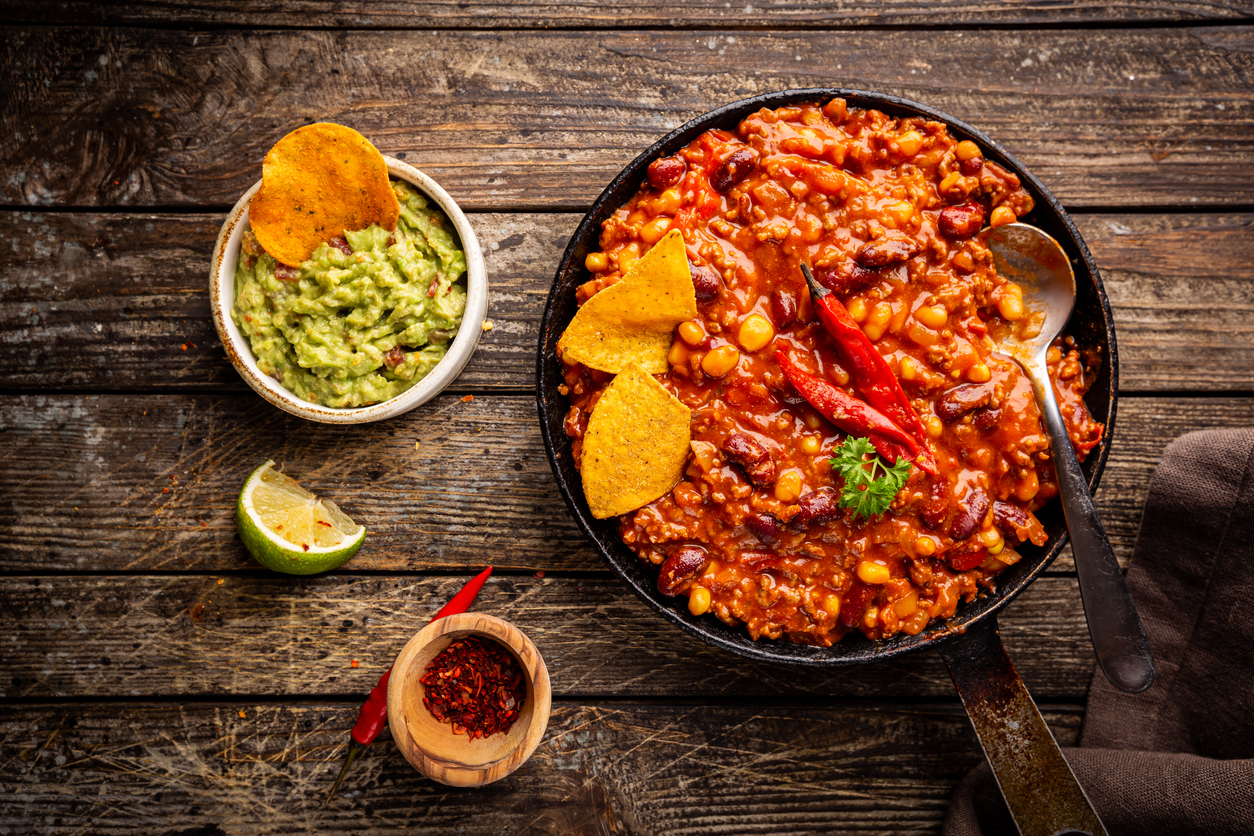
Chili con carne, long associated with San Antonio’s early food culture, is typically prepared in traditional Texas style without beans, emphasizing beef and dried chiles.
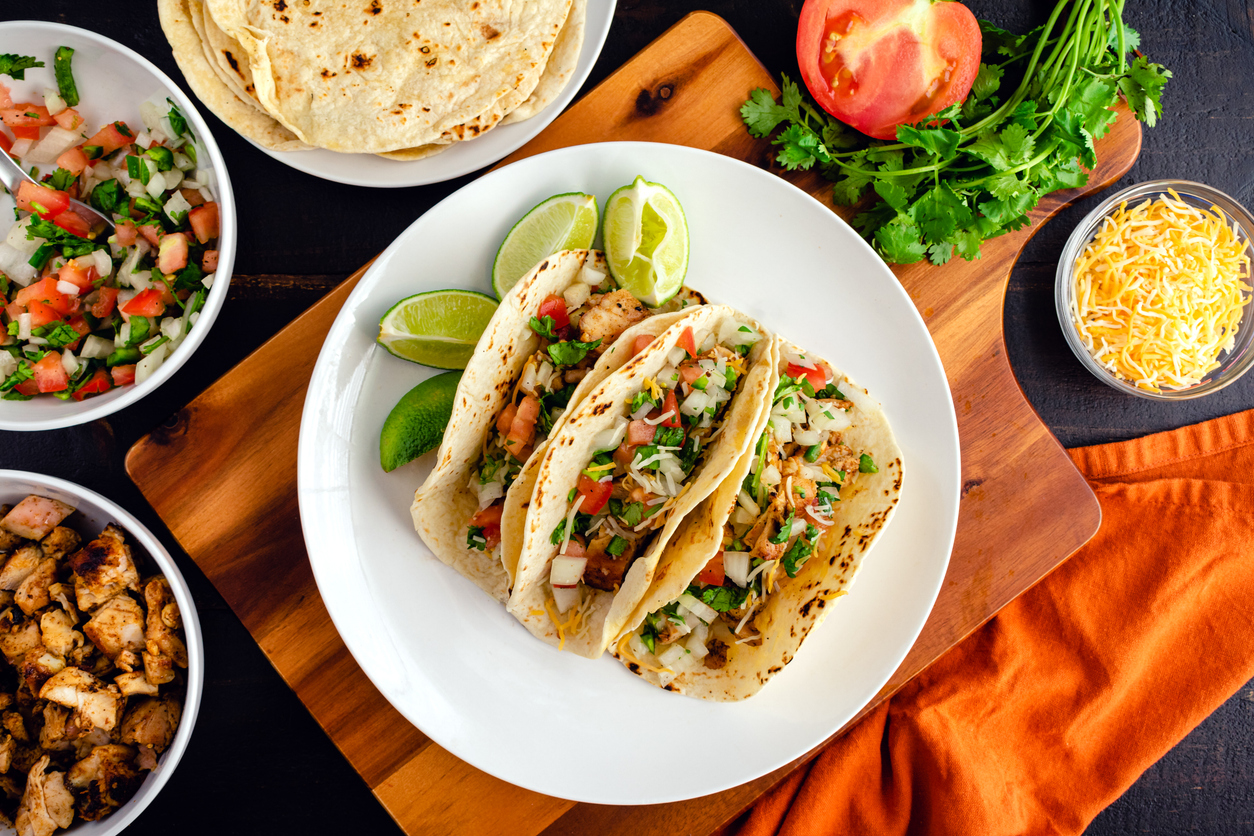
At Schilo’s, guests often order classic German fare such as sausages, potato pancakes, and deli sandwiches. In Market Square and other Tex-Mex establishments, dishes like enchiladas, tamales, and chile rellenos remain staples, often served alongside rice and beans in the familiar combination plate format.
These dishes reflect centuries of adaptation, blending indigenous ingredients with Spanish and Mexican cooking traditions.
River Walk Icons: Casa Rio and Mi Tierra's Decades-Long Legacy
Along the San Antonio River Walk, Casa Rio stands as one of the most recognizable dining landmarks. Opened in 1946, it was the first restaurant to operate along the river level, helping establish the River Walk as a major dining destination.
While the building reflects historic architecture, it is not an original 1809 hacienda, but rather a structure that incorporates early 20th-century construction with older design influences. Casa Rio’s colorful umbrellas and riverside seating have become visual symbols of San Antonio.
Nearby, Mi Tierra Café y Panadería in Market Square continues its legacy as a family-owned restaurant serving traditional Mexican cuisine. Known for its lively atmosphere and bakery, it has remained a cultural and culinary anchor for both locals and visitors.
Ray’s Puffy Tacos and Other San Antonio Originals
San Antonio is home to several unique dishes, with the puffy taco standing out as one of its most recognizable creations. Ray’s Drive Inn, founded in 1956 by Raymond Lopez, is widely credited with popularizing this dish.
The puffy taco is made by frying fresh masa until it inflates, creating a light, airy shell filled with seasoned meat, lettuce, and cheese. This preparation method has become a defining feature of San Antonio Tex-Mex cuisine.
Today, restaurants like Henry’s Puffy Tacos, opened in 1978 by a member of the Lopez family, continue to serve this local specialty, helping preserve its place in the city’s food culture.
German, Chinese, and Mexican: Immigrant Families Who Built San Antonio Dining
San Antonio’s restaurant history is deeply tied to immigrant families who introduced new flavors and traditions while adapting to local tastes.
Schilo’s reflects the city’s German heritage, offering dishes that have remained consistent for over a century.
Golden Star Café, established in 1932, represents one of the city’s longest-running Chinese-American restaurants, known for both Chinese dishes and classic American diner offerings like pies.
Mi Tierra Café y Panadería showcases Mexican culinary traditions passed down through generations of the Cortez family.
Together, these establishments illustrate how immigrant communities shaped San Antonio’s diverse and enduring food scene.
San Antonio Food Festivals and Culinary Traditions
San Antonio’s culinary culture extends beyond restaurants into festivals and community celebrations that highlight its diverse food heritage.
Fiesta San Antonio, held annually since 1891, is one of the city’s most significant cultural events. Over 11 days, the festival features parades, music, and food-focused events such as Fiesta Oyster Bake and A Night in Old San Antonio (NIOSA), where visitors can sample a wide range of local and international dishes.
Events at the Pearl District farmers market and other seasonal food gatherings further showcase local chefs, producers, and traditional recipes. These festivals play a key role in preserving and celebrating San Antonio’s culinary identity.
San Antonio’s Key Food Districts to Explore
San Antonio’s food culture is closely tied to its neighborhoods, each offering a distinct culinary experience.
The West Side is known for its authentic Tex-Mex roots, where family-owned restaurants serve traditional dishes like barbacoa and tamales.
The Pearl District, centered around the historic Pearl Brewery, has evolved into a modern culinary hub featuring restaurants, bakeries, and a popular weekend farmers market.
Southtown offers a mix of historic charm and contemporary dining, with chef-driven restaurants and creative takes on regional cuisine.
Exploring these areas provides a deeper understanding of how San Antonio’s food traditions continue to evolve.
Where to Try San Antonio’s Most Iconic Dishes
Experiencing San Antonio’s food heritage is best done by visiting the places that continue to serve these dishes today.
- Puffy Tacos: Try them at Ray’s Drive Inn or Henry’s Puffy Tacos
- Chili Con Carne: Found at classic Tex-Mex restaurants throughout the city
- Barbacoa: Commonly served on weekends at West Side eateries
- Pan Dulce: Available at bakeries like Mi Tierra Café y Panadería
- Combination Plates: Widely served at long-standing Tex-Mex restaurants
These locations provide an authentic way to experience the flavors that define San Antonio.
San Antonio as a UNESCO Creative City of Gastronomy
In 2017, San Antonio was named a UNESCO Creative City of Gastronomy, recognizing its rich culinary history and cultural diversity.
This designation reflects the city’s blend of indigenous, Spanish, Mexican, German, and American influences, as well as its commitment to preserving traditional foodways.
It also supports initiatives focused on sustainable agriculture, culinary education, and food tourism, helping ensure that San Antonio’s culinary traditions remain an important part of its identity.
Why These Historic San Antonio Restaurants Continue to Thrive
The longevity of San Antonio’s historic restaurants is rooted in their ability to balance tradition and adaptability.
Many of these establishments maintain original recipes and cooking methods while adjusting to changing customer preferences. Family ownership has allowed them to preserve their identity while responding to new trends.
Their role as community gathering spaces has also contributed to their success, creating lasting connections across generations.
This combination of consistency, cultural significance, and community engagement has allowed these restaurants to remain central to San Antonio’s dining scene.