Interesting Facts About Sangiovese and Tuscan Wine Culture
Sangiovese is Italy's most widely planted red grape and the foundation of some of the country's most celebrated wines. From the rolling hills of Tuscany to vineyards stretching across central Italy, it has shaped regional traditions, dining customs, and winemaking practices for centuries. Known for its bright acidity, and distinctive cherry flavors, Sangiovese has become one of the world's most recognizable wine grapes.
Its story extends far beyond what's in the glass. Ancient origins, regional rivalries, evolving winemaking techniques, and a name linked to Roman mythology have all contributed to the grape's enduring reputation. Whether appearing in a rustic Chianti or a prestigious Brunello di Montalcino, Sangiovese continues to represent the character and culture of Italy itself.
What Is Sangiovese and Why Does It Matter?
Sangiovese is often described as the heart of Italian red wine. Cultivated across central Italy for centuries, it serves as the primary grape behind many of the country's most important wine styles and remains deeply connected to Tuscany's identity.
Part of its significance comes from its remarkable adaptability. While many grape varieties express similar characteristics regardless of where they are grown, Sangiovese responds strongly to its environment. Differences in soil, elevation, climate, and vineyard management can dramatically influence the finished wine.
The grape typically produces medium-bodied wines with vibrant acidity and moderate to firm tannins. Young wines often display flavors of cherry, raspberry, and plum, while aging can reveal more complex notes of dried herbs, leather, tobacco, balsamic, and earth. This combination of freshness and complexity has helped make Sangiovese one of the most respected food wines in the world.
What Actually Makes Sangiovese Different From Other Grapes
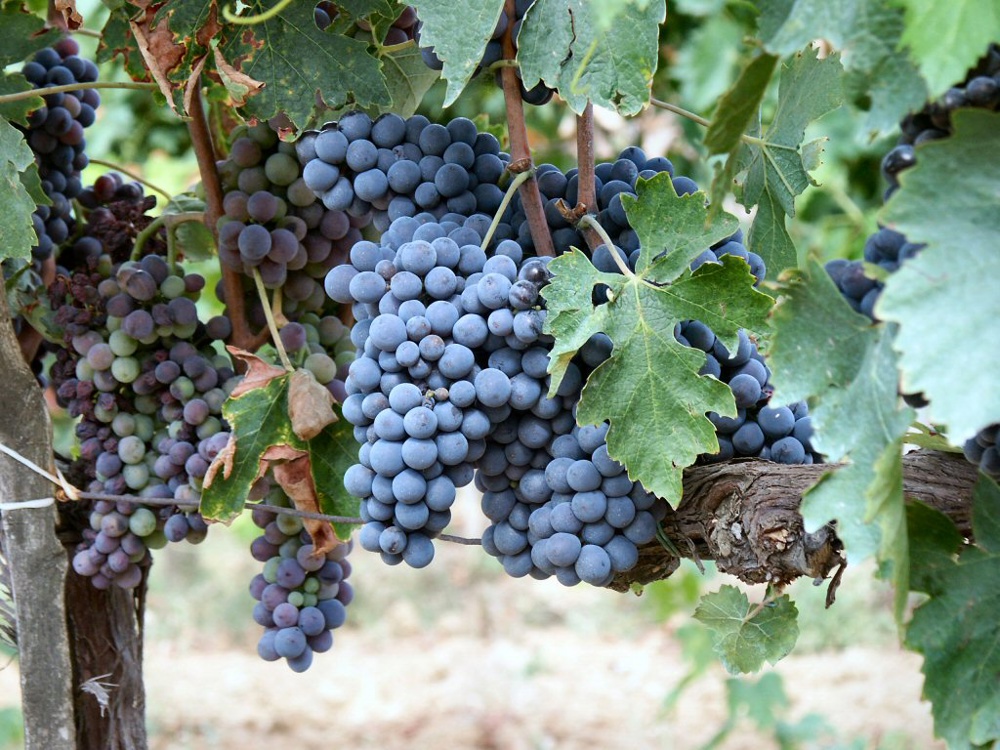
Several characteristics distinguish Sangiovese from other major red wine varieties. The most important is its naturally high acidity. This brightness gives the wine freshness and structure while allowing it to pair exceptionally well with food. It also contributes to the grape's aging potential, helping wines maintain balance over many years.
Another defining trait is its sensitivity to terroir. Few grape varieties respond as noticeably to local growing conditions. Limestone-rich soils may produce more structured wines, while clay-heavy sites often create fuller-bodied expressions. Small changes in elevation or exposure can significantly affect ripeness and flavor development.
Sangiovese is also notable for its genetic diversity. Italy has developed numerous clones over centuries, each displaying slightly different characteristics. Some emphasize floral aromas and elegance, while others produce darker fruit flavors and more powerful tannins. This diversity has allowed growers to match specific clones to particular vineyard sites, enhancing quality and complexity.
The Flavor Profile That Defines Every Glass of Sangiovese
The classic Sangiovese profile begins with red fruit. Cherry is often the dominant characteristic, ranging from tart sour cherry to richer black cherry depending on climate and ripeness. Beyond fruit, Sangiovese frequently displays savory and earthy notes that distinguish it from many New World red wines.
Herbs, dried flowers, tea leaves, leather, tobacco, and mineral undertones often appear alongside the fruit, creating layers of complexity. Oak aging can further influence the wine by introducing hints of vanilla, cedar, cocoa, and baking spices. In premium wines, these elements complement rather than overpower the grape's natural character.
With age, Sangiovese develops additional nuances including dried rose petals, forest floor, mushroom, and balsamic notes. Despite these changes, the grape's defining balance of fruit, acidity, and savory complexity remains recognizable throughout its life. This combination explains why both casual wine drinkers and serious collectors continue to appreciate Sangiovese across a wide range of styles and price points.
How Sangiovese Became Central Italy's Dominant Grape
Few grapes carry the weight of history quite like Sangiovese, whose roots stretch back to the Etruscans between the 8th and 3rd centuries BC. They domesticated wild Tuscan vines systematically, and genetic studies confirm Sangiovese among Italy's oldest indigenous varieties.
By the 19th century, Baron Ricasoli made it the backbone of Chianti, using seven-tenths Sangiovese in his formulation. Around the same time, Ferruccio Biondi Santi's clonal selection of the BBS11 clone in Montalcino unleashed the grape's potential for powerful, long-lived reds.
Today, you'll find Sangiovese planted across more than 70,000 hectares, dominating Tuscany, Emilia-Romagna, Umbria, and Marche. Landrace preservation efforts continue protecting its genetic diversity, ensuring this ancient grape remains central Italy's most widely grown and culturally significant variety. Its name is widely believed to derive from the Latin Sanguis Jovis, meaning "Blood of Jupiter," linking the grape to Roman mythology and ideals of nobility and vitality.
Chianti, Brunello, and the Sangiovese Wines That Made History
Few wines have done more to shape Sangiovese's reputation than Chianti and Brunello di Montalcino. Chianti's history dates back centuries, with the region receiving official recognition in 1716 when Grand Duke Cosimo III de' Medici established legally defined wine boundaries. This decision is often considered one of the earliest examples of wine-region regulation in the world.
The modern image of Chianti emerged during the nineteenth century as Sangiovese became the foundation of the wine. Today, Chianti Classico remains one of Italy's most recognizable appellations, symbolized by the famous Black Rooster emblem.
Brunello di Montalcino tells a different story. Produced entirely from Sangiovese, it emphasizes concentration, structure, and longevity. Strict aging requirements allow the wines to develop exceptional complexity before reaching consumers. Together, these wines demonstrated the grape's versatility. One could produce approachable everyday wines while the other could create bottles capable of aging for decades.
Stir up your curiosity with more surprising facts about Tuscany’s wine culture.
Why Sangiovese Tastes So Different Across Tuscany
What makes a single grape taste so dramatically different from one hillside to the next? It's terroir contrasts and clone impacts working together. Tuscany's varied soils, climates, and elevations constantly reshape Sangiovese's personality. Here's what's shifting the flavor in your glass:
- Galestro soil delivers freshness and lift
- Alberese soil builds structure and firm tannins
- Hotter climates push riper, fruitier profiles with softer tannins
- Cooler elevations sharpen acidity and amplify herbal notes
- R24 and Prugnolo Gentile clones influence texture and depth differently by zone
You're fundamentally tasting geography. Mountain soils round out tannins while clay adds body. Every sip reflects where the vine grew, how warm the season ran, and which clone carried the fruit. Compared to Romagna expressions, Tuscan Sangiovese tends toward a more rustic character with higher acidity and firmer tannins.
How Sangiovese Became the Perfect Food Wine
One reason for Sangiovese's enduring popularity is its natural compatibility with food. Unlike many powerful red wines that can dominate a meal, Sangiovese tends to work alongside the flavors on the plate. Its bright acidity mirrors the acidity found in many Italian dishes, particularly those built around tomatoes, creating a sense of balance rather than competition.
The grape's savory profile further strengthens its reputation as a versatile dining companion. Alongside its signature cherry notes, Sangiovese often displays hints of dried herbs, tea leaves, earth, leather, and spice. These flavors naturally complement ingredients commonly found in Tuscan cuisine, including olive oil, rosemary, sage, mushrooms, grilled meats, and aged cheeses.
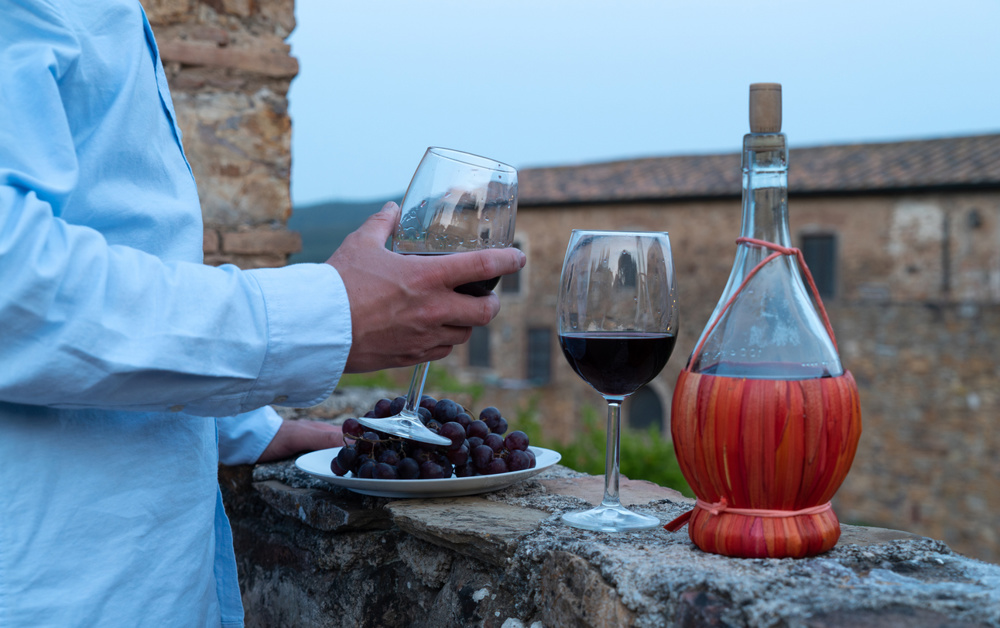
This connection between wine and food has deep historical roots. In rural Tuscany, wine was never viewed solely as a luxury product or special-occasion indulgence. It was considered an everyday part of life and was often served alongside lunch and dinner as naturally as bread or olive oil. Families planted vineyards beside orchards, grain fields, and vegetable gardens, creating an agricultural culture where food and wine evolved together over generations.
The Super Tuscan Revolution That Reinvented Sangiovese Blending
By the mid-twentieth century, some producers had grown frustrated with the restrictions imposed by Italy's traditional wine regulations. Many believed the existing rules limited quality and innovation by dictating which grapes could be used and how wines should be produced. At the same time, international demand for premium wines was growing, encouraging a new generation of winemakers to rethink long-established practices.
Rather than following traditional formulas, these producers experimented with international grape varieties such as Cabernet Sauvignon, Cabernet Franc, and Merlot while also adopting modern vineyard management and aging techniques. Tignanello became one of the movement's most influential wines by combining Sangiovese with Cabernet Sauvignon and aging the blend in small oak barrels.
Sassicaia took a different approach, producing a Bordeaux-inspired wine that demonstrated Tuscany's ability to excel beyond its traditional classifications. Other estates focused on elevating pure Sangiovese, proving that careful clone selection, lower yields, and meticulous winemaking could unlock new levels of complexity and refinement. The success of these wines transformed perceptions of Italian wine around the world.
What Does "Jupiter's Blood" Actually Mean?
The name "Sangiovese" carries a story that predates the wine's modern fame by centuries. It traces back to Latin sanguis Jovis, meaning "blood of Jupiter," blending mythical branding with monastic origins into one powerful identity.
Here's what shaped that name:
- Capuchin monks on Mount Jupiter in Santarcangelo di Romagna likely coined it
- It honored Jupiter, Rome's supreme god of power, abundance, and weather
- The Romans offered wine to Jupiter during Vinalia harvest festivals
- Some scholars suggest it derives from "sangiogheto," meaning blood of the yoke
- No confirmed Roman cult linked Jupiter to divine blood, making it folkloric
You're essentially drinking a name steeped in myth, monastic legend, and centuries of cultural symbolism every time you open a bottle. Sangiovese is the most widely planted grape variety in Italy, making its mythic name not just a curiosity but the identity of an entire nation's wine heritage.
Why Sangiovese Remains Relevant Today
Despite changing consumer tastes and increasing global competition, Sangiovese remains as important as ever. Modern winemakers continue experimenting with vineyard practices, clone selection, and sustainable farming techniques while preserving the traditions that made the grape famous. Consumers increasingly seek wines that express a strong sense of place, and few varieties communicate terroir as clearly as Sangiovese.
At the same time, Tuscany's global reputation as a wine destination continues attracting visitors eager to experience the landscapes behind the wines. From historic hill towns to renowned estates, the region's cultural appeal reinforces the grape's international profile.
Whether enjoyed in a casual trattoria or collected in a private cellar, Sangiovese continues to embody the history, geography, and traditions that define Italian wine. Few grapes connect land, culture, and community so completely, which is why it remains one of the most influential wine varieties in the world.
Conclusion
Sangiovese's enduring appeal comes from its remarkable ability to connect wine, history, and place. From the ancient hills of Tuscany to the innovative spirit of the Super Tuscan movement, the grape has continually evolved while remaining deeply rooted in Italian tradition.
Its distinctive character, shaped by terroir, climate, and centuries of cultivation, has made it one of the world's most respected and recognizable wine varieties. Whether enjoyed in a simple regional wine or a cellar-worthy Brunello di Montalcino, Sangiovese offers more than just flavor. It tells the story of the landscapes and communities that have nurtured it for generations.