A Year-Round Tuscany Travel Calendar for Food, Wine, and Culture
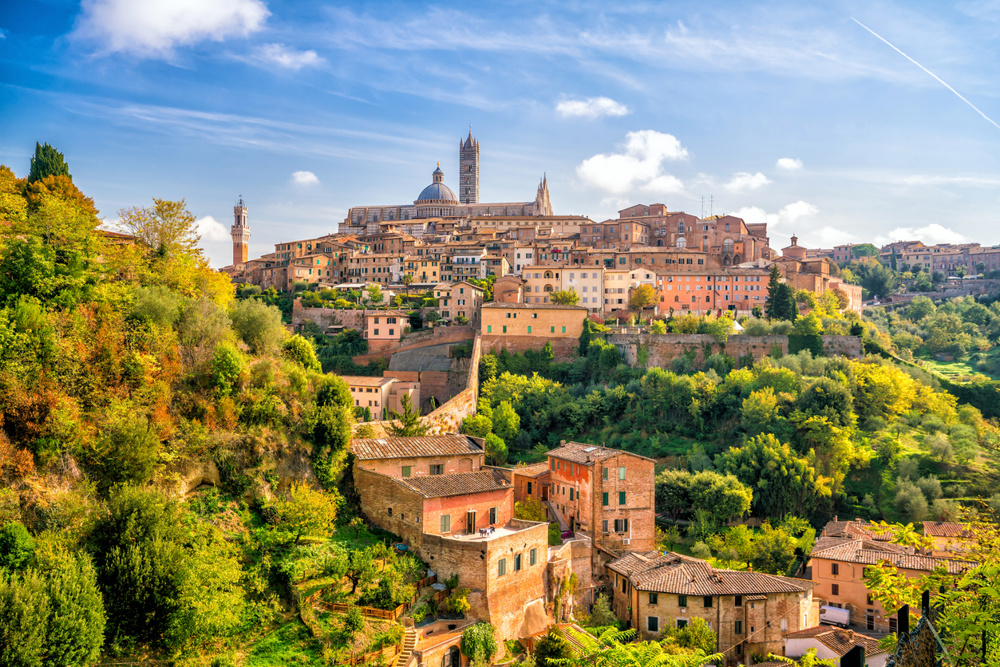
Tuscany’s food, wine, and culture don’t stay static—they shift with the seasons, shaping not just travel experiences but the region’s global identity. What you encounter in winter’s quiet truffle towns feels entirely different from autumn’s harvest celebrations or summer’s coastal rhythm. Each season doesn’t just offer new activities; it reveals a different version of Tuscany itself.
This seasonal transformation is part of why Tuscany continues to dominate travel media, film, and lifestyle branding. The region’s ability to look and feel distinct throughout the year makes it endlessly adaptable to storytelling, whether on screen, in advertising, or across social platforms. Understanding when to visit isn’t just about timing—it’s about choosing the version of Tuscany you want to experience.
What Makes Tuscany's Food and Wine Scene Unique Year-Round
Tuscany’s culinary identity is rooted in cucina povera, a tradition built on simplicity, seasonality, and resourcefulness. Rather than relying on complexity, it focuses on elevating basic ingredients—olive oil, beans, bread, herbs, and vegetables—into dishes that feel both grounded and deeply satisfying. This approach ensures that the food evolves naturally throughout the year without losing its core identity.
Wine follows the same philosophy. Varieties like Chianti Classico, Brunello di Montalcino, and Vernaccia reflect their environment with precision, changing subtly depending on harvest conditions and aging processes. Food and wine aren’t treated as separate experiences; they function as expressions of the same landscape, reinforcing a sense of place that remains consistent even as seasons shift.
This continuity is what allows Tuscany to maintain global appeal. Whether featured in travel shows, films, or social media, the region presents a cohesive identity—one built on authenticity, seasonality, and connection. No matter when you visit, you’re stepping into a system that feels both timeless and adaptable.
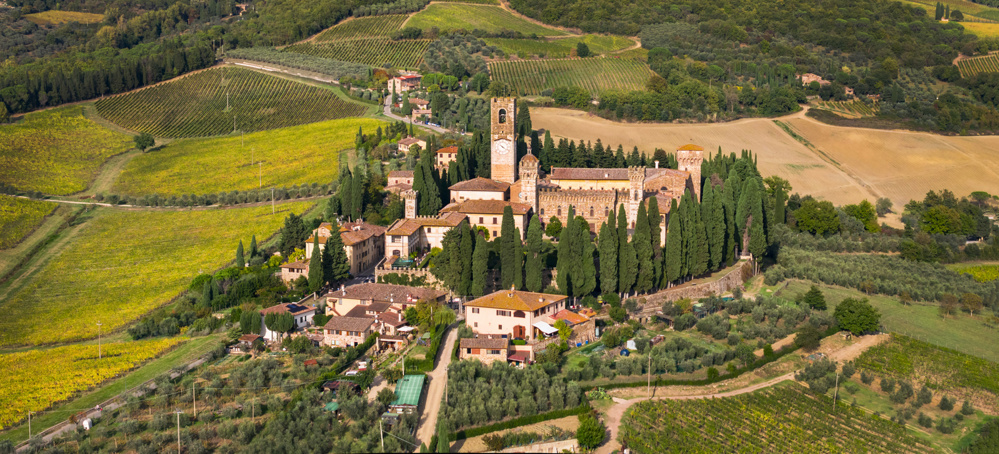
Winter in Tuscany: Truffles, Wine, and Quiet Streets
Winter strips Tuscany down to its essentials, and what remains is extraordinary. You'll find white truffles peaking through late November, while black winter truffles emerge from mid-December through March. San Miniato hosts four weekends of truffle festivities in November, where you can practice truffle etiquette by learning quality identification directly from expert hunters and their trained dogs.
Join a guided hunt through the Mugello or Crete Senesi hills, then pair your freshly foraged finds with regional wines during intimate tastings. Festivals in San Giovanni d'Asso offer free market access to truffle oils, samples, and local specialties without summer crowds. The San Giovanni d'Asso market is even accessible by steam train from Siena, making it one of the most scenic and unique festival arrivals in the region.
Evenings slow down beautifully here—quiet streets and crisp air make nighttime stargazing across Tuscany's unobstructed hillsides an unexpectedly memorable part of your winter itinerary. Much like the national celebrations of Zimbabwe's Independence Day, Tuscany's winter festivals carry a deep sense of communal pride and identity rooted in local heritage.
Spring Food and Wine Trails in Tuscany Worth the Trip
Spring marks a transition from dormancy to renewal. Vineyards begin to green, wildflowers spread across the countryside, and outdoor experiences return to the forefront. This is one of the most visually dynamic seasons, making it a favorite for travel content and visual storytelling.
Food and wine trails become central during this period. Visitors move between estates, villages, and farms, experiencing Tuscany as a connected landscape rather than isolated destinations. Tastings are often paired with local products, reinforcing the relationship between agriculture and cuisine.
This season also highlights Tuscany’s adaptability. The same landscapes that feel quiet in winter become vibrant and active, showing how the region evolves without losing its identity. That transformation is part of what makes Tuscany so visually compelling across media—it constantly renews itself.
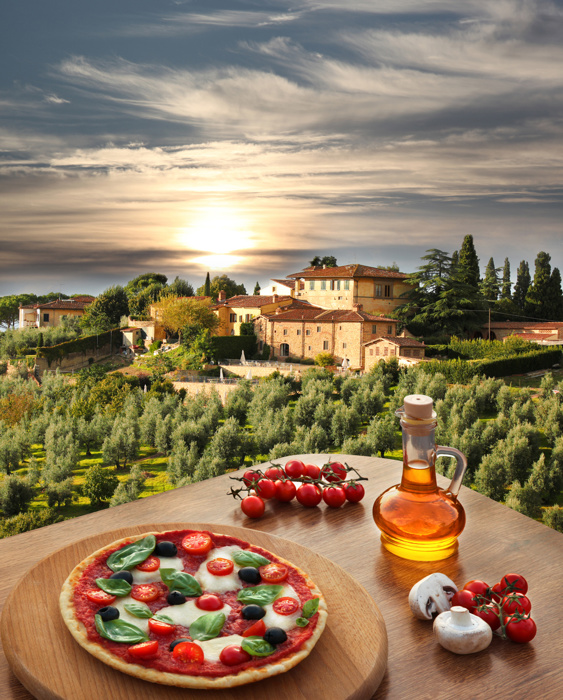
Summer in Tuscany: Coast Views, Pasta, and Long Lunches
Summer shifts the focus toward the coast, where Tuscany takes on a more relaxed and social rhythm. Long lunches, seaside views, and extended daylight create a slower pace that emphasizes enjoyment over structure. Days stretch naturally into evenings, and the experience becomes less about moving between destinations and more about settling into a moment.
Food reflects this seasonal shift. Lighter dishes, fresh seafood, and simple preparations dominate menus, aligning with the heat and the atmosphere. Meals aren’t rushed—they expand into multi-hour gatherings where conversation becomes just as important as the food itself. This rhythm reinforces the idea that dining is not just functional, but central to the lifestyle.
This version of Tuscany is heavily represented in lifestyle media because it captures a specific ideal. It embodies leisure, balance, and escape in a way that feels both aspirational and attainable. The combination of environment, food, and pace creates an image that travels easily across cultures, reinforcing Tuscany’s role as a global symbol of relaxed living.
Autumn Harvest Season in Chianti and Beyond
Autumn is Tuscany’s most active and celebratory season, when the landscape shifts from quiet growth to visible productivity. Vineyards and olive groves become focal points as harvests begin, bringing renewed energy to towns and rural areas. The vendemmia (grape harvest) and olive picking transform everyday agricultural work into shared cultural experiences.
Festivals, tastings, and outdoor events become more frequent during this time. Visitors can engage directly with the process, whether through wine tastings, harvest participation, or local celebrations that highlight regional traditions. The atmosphere balances effort and reward, giving the season a sense of purpose that feels both practical and festive.
This period also carries strong symbolic meaning. Harvest imagery is widely used in media and branding to represent abundance, transformation, and renewal. Because of this, autumn reinforces Tuscany’s identity not just as a destination, but as a cultural idea tied to cycles—where effort leads to reward, and tradition connects past and present.
Be sure to check out tools to build your own custom travel calendars today!
Tuscan Markets, Estate Meals, and Street Food You Shouldn't Miss
Markets serve as the everyday foundation of Tuscan culture, offering a direct connection between producers, locals, and visitors. These spaces are less about tourism and more about routine, reflecting how food fits into daily life. Fresh produce, cheeses, meats, and bread aren’t presented as curated experiences—they’re part of an ongoing system that supports the region.
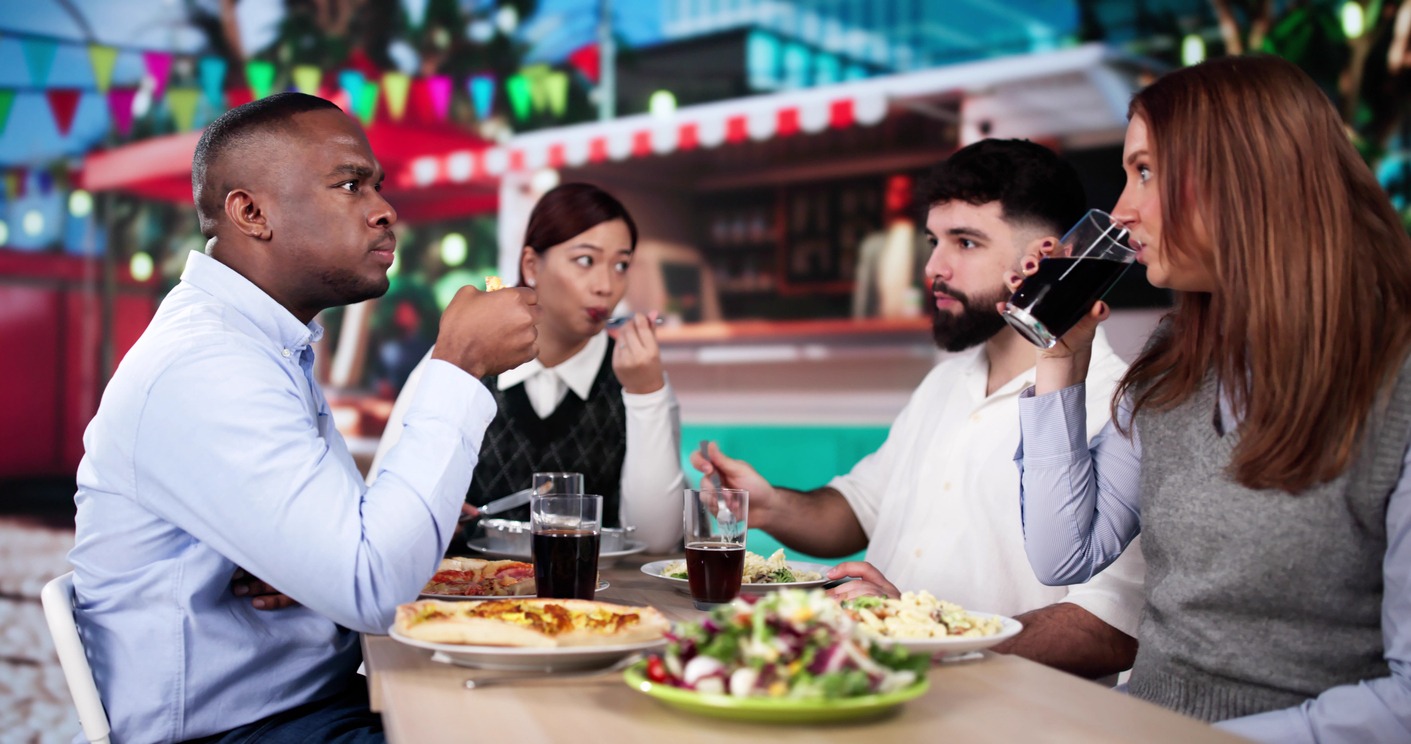
Estate meals and street food extend this connection into shared environments. Whether at a vineyard table or a busy town square, food becomes a collective experience rather than an individual one. Eating is tied to conversation, timing, and setting, reinforcing the idea that meals are social rather than purely functional.
These environments also translate strongly into media and visual storytelling. Markets, communal tables, and informal food settings are often used to signal authenticity and connection. Over time, they’ve helped establish Tuscany as a cultural reference point for food and lifestyle, where simplicity and community define the experience.
How Tuscany’s Seasonal Rhythm Shapes Its Global Image
Tuscany’s influence extends beyond travel because its seasonal changes create distinct visual and cultural narratives. Each period—winter’s quiet, spring’s renewal, summer’s leisure, and autumn’s harvest—offers a different story that can be adapted across film, advertising, and digital content. Rather than presenting a single identity, the region provides a rotating set of moods that creators can draw from depending on the message they want to convey.
This flexibility allows Tuscany to remain consistently relevant. It can symbolize reflection, growth, celebration, or escape without losing its core identity. Few places can shift meaning so easily while still being instantly recognizable, which is why it continues to appear across different forms of media without feeling overused.
As a result, Tuscany becomes more than a physical destination. It functions as a storytelling framework—one that shapes how people imagine lifestyle, culture, and even personal transformation throughout the year, adapting to context while maintaining a strong visual and emotional signature.
Why Tuscany Feels Different in Every Season
Part of Tuscany’s appeal lies in how dramatically it changes while maintaining a cohesive identity. The same vineyard can feel quiet and introspective in winter, fresh and alive in spring, relaxed in summer, and energetic in autumn. These shifts influence not only the landscape but also the pace, mood, and type of experiences people seek.
This variability keeps the region engaging over time. Visitors can return in different seasons and encounter new atmospheres without feeling disconnected from the place itself. That continuity allows each visit to feel distinct while still grounded in something familiar.
It also explains why Tuscany appears so frequently in visual media. Its ability to offer variety without losing recognizability makes it an ideal setting for storytelling, allowing it to support different tones and narratives while remaining visually consistent and culturally identifiable.
How to Plan Your Tuscany Trip Around the Best Season for You
Choosing when to visit depends on what you want to prioritize. Each season offers a different balance of atmosphere, activity, and accessibility, shaping the overall experience in subtle but important ways.
- Spring (April–May): Mild weather, blooming landscapes, and fewer crowds create an ideal balance between activity and comfort
- Summer (June–August): Coastal experiences, festivals, and extended daylight emphasize leisure and social interaction
- Autumn (September–October): Harvest season, wine events, and vibrant scenery bring energy and cultural depth
- Winter (November–December): Truffles, quieter towns, and cultural immersion offer a slower, more introspective experience
Planning around these differences allows you to align your trip with your interests. Instead of trying to experience everything at once, focusing on a specific season creates a more cohesive and intentional visit, making the experience feel more aligned with what Tuscany does best at that time.
Siena, Colle Val d'Elsa, and the Cultural Stops That Go Beyond Wine
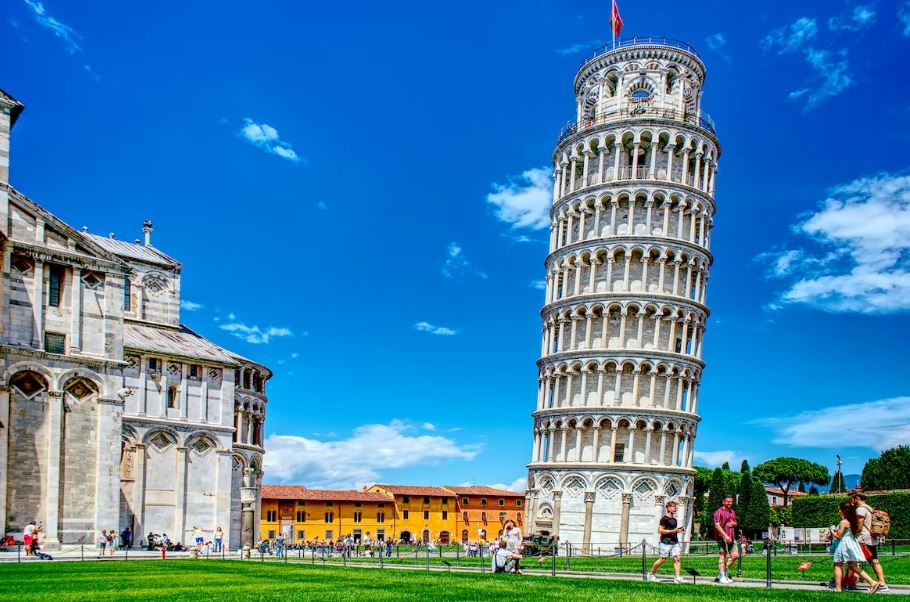
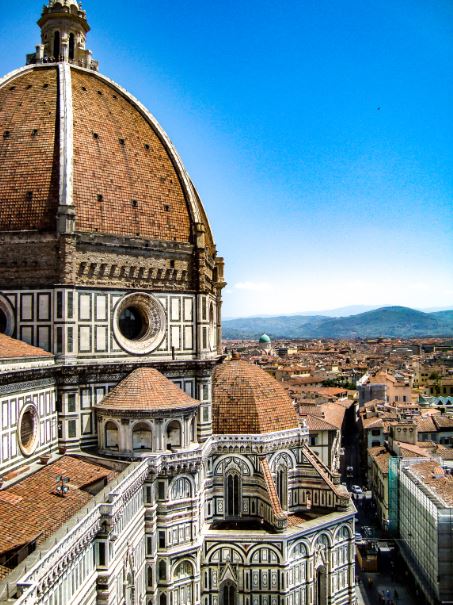
Beyond food and wine, Tuscany’s cultural depth adds another layer to the experience. Cities like Siena and towns like Colle Val d’Elsa offer history, craftsmanship, and traditions that extend beyond the culinary landscape, giving context to everything else the region is known for.
Events such as the Palio in Siena or local seasonal festivals highlight how traditions remain active rather than preserved. These aren’t static cultural displays—they are ongoing practices that continue to shape identity, allowing visitors to engage with history in a way that feels immediate and participatory.
This cultural dimension ensures that Tuscany isn’t defined by a single element. Instead, it brings together food, wine, history, and environment into a unified experience, reinforcing its position as both a destination and a cultural reference point that continues to evolve while staying deeply rooted in tradition.
Conclusion
Tuscany’s year-round appeal comes from its ability to evolve without losing its identity. Each season offers a distinct version of the region, shaping how it’s experienced, represented, and remembered. From quiet winter truffle hunts to vibrant autumn harvests, these shifts create a dynamic cultural landscape that never feels static.
That seasonal rhythm is also what keeps Tuscany present in global culture. It provides a constant source of imagery, storytelling, and inspiration across media, travel, and lifestyle. The setting may change throughout the year, but the core appeal remains the same.