How Tuscan Wine Culture Still Shapes Pop Culture
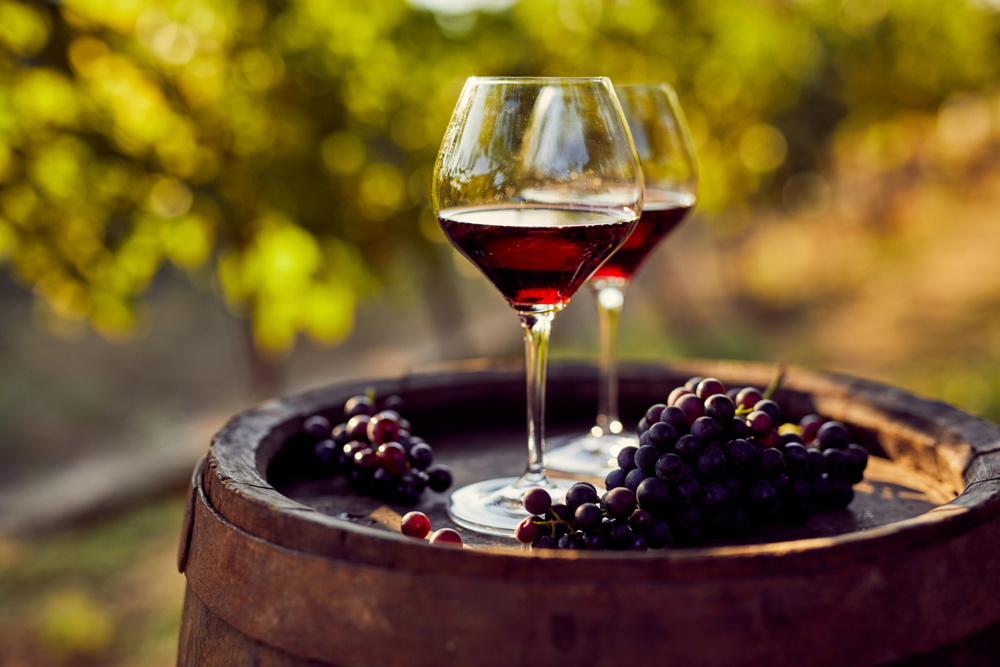
Tuscan wine culture shapes pop culture in ways that go far beyond what’s in the glass. When you see sunlit vineyards rolling across hills in films, or luxury brands referencing Italian craftsmanship, Tuscany is often the visual and cultural blueprint behind it. Its landscapes, traditions, and wines have become symbols of refinement, leisure, and timeless beauty.
This influence didn’t happen by accident. It developed over centuries through a combination of tradition, experimentation, and storytelling. From early praise by Renaissance figures to modern-day global recognition, Tuscan wine has evolved into something larger than a regional product—it has become a cultural identity.
The Tuscan Wine Rebellion That Changed Everything
In the late 1960s and early 1970s, Tuscany experienced a quiet but transformative rebellion that reshaped the global wine industry. At the time, strict regulations defined what qualified as high-quality wine, especially within the Chianti classification system. These rules required specific grape blends, including the use of white grapes, which many producers believed limited quality.
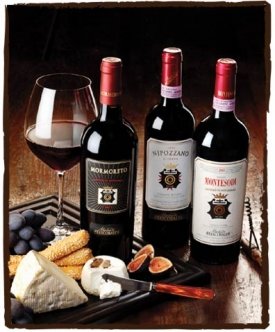
Some winemakers chose to break away from these restrictions. Wines like Sassicaia and Tignanello rejected traditional formulas, incorporating international grape varieties and new aging techniques. Because they didn’t follow official guidelines, they were labeled as simple table wines despite their exceptional quality.
Rather than weakening their appeal, this outsider status became a strength. These wines built reputations based on taste and innovation rather than classification. Over time, their success forced the industry to adapt, eventually leading to the introduction of the IGT designation, which recognized more flexible winemaking practices. This rebellion did more than change regulations—it redefined what prestige meant in wine. Quality, creativity, and individuality became just as important as tradition.
What Made Super Tuscans Rewrite the Rules of Fine Wine
The rise of Super Tuscans was driven by a combination of experimentation and persistence. Early attempts to grow non-traditional grape varieties in Tuscany were not immediately successful, but producers continued refining their approach, adjusting vineyard locations and techniques until the results improved.
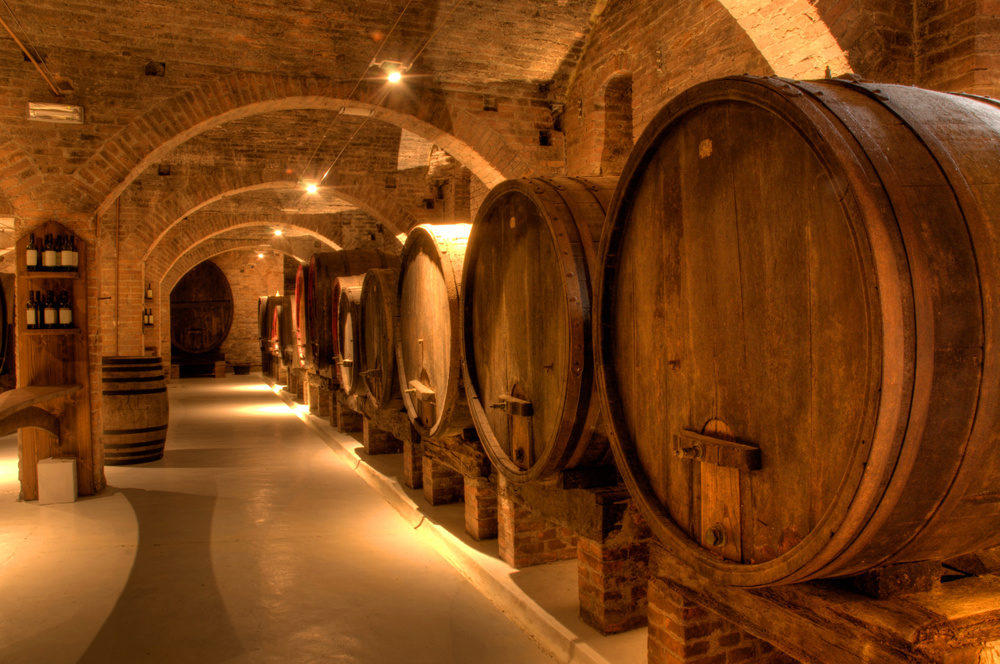
A major shift came with the adoption of smaller French oak barrels, which allowed for more controlled aging and introduced new flavor profiles. These changes produced wines that could compete with the best in the world, even without official recognition. International attention played a key role in validating this movement.
High ratings from influential critics brought global visibility, proving that these wines were more than regional anomalies—they were redefining standards. Eventually, the industry acknowledged what had already become clear: excellence couldn’t be confined by outdated rules. Super Tuscans demonstrated that innovation and tradition could coexist, setting a new benchmark for fine wine.
The Grapes Behind Tuscan Wine's Mystique: Sangiovese to Brunello
At the center of Tuscan wine culture is Sangiovese, a grape known for its sensitivity to environment and its ability to express subtle differences in soil and climate. This adaptability makes it both challenging to cultivate and uniquely rewarding when conditions are right.
In regions like Chianti, Sangiovese produces balanced wines with bright acidity and layered flavors. In Montalcino, it reaches a more structured and powerful expression as Brunello di Montalcino, known for its aging potential and depth.
These variations contribute to the region’s mystique. The same grape can produce dramatically different results depending on where and how it is grown, reinforcing the idea that Tuscan wine is closely tied to place. This connection between land and flavor is a key part of Tuscany’s identity. It turns wine into more than a product—it becomes an expression of environment, tradition, and craftsmanship.
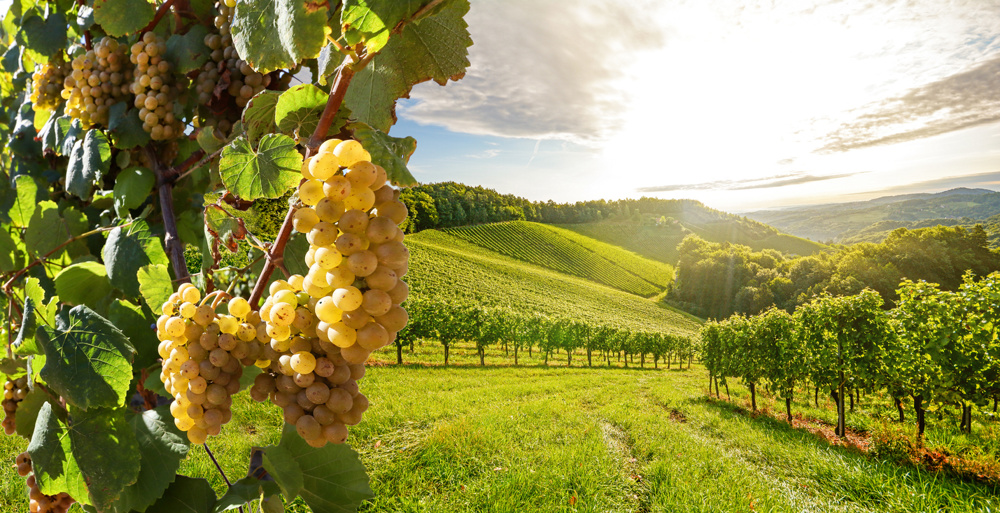
How Chianti Country Became the World's Fantasy of the Good Life
Few regions have shaped the global idea of a “perfect lifestyle” as strongly as Chianti. The rolling hills, vineyard-covered landscapes, and historic villages create a visual identity that has been widely reproduced in films, travel media, and advertising.
This imagery represents more than scenery—it suggests a way of life. Slow meals, local craftsmanship, and connection to the land are central to how Chianti is perceived. These elements combine to create a sense of balance and authenticity that resonates across cultures.
The media has amplified this image over time. Films set in Tuscany often emphasize simplicity, beauty, and personal transformation, reinforcing the region’s association with escape and renewal. As a result, Chianti has become more than a place—it is a global symbol of the “good life,” shaping how people imagine leisure, luxury, and cultural richness.
Check out MrPopCulture.com and learn more about pop culture trends in Tuscany’s wine and winery.
Why Tuscan Wine Became the Ultimate Pop Culture Status Symbol
Few wines have climbed the cultural ladder as dramatically as Tuscany's finest. When Sassicaia defeated 33 international Bordeaux blends in a 1978 blind tasting, it didn't just win a competition—it rewrote wine's power structure. You're now looking at wines that sell for three times the price of regional competitors despite lacking formal classification, fueled by collector obsession and celebrity endorsements that transform bottles into cultural artifacts.
Super Tuscans like Ornellaia and Masseto didn't need traditional credentials. They built prestige through rule-breaking narratives, premium restaurant placements, and brand collaborations that amplified their luxury positioning globally. By 2015, Super Tuscans commanded 5.1% of Liv-Ex trading—up from 0.9% in 2010. That's not just market growth. That's status symbol territory, earned through defiance, excellence, and extraordinary storytelling.
Following the October 2022 fine-wine market crash, the Italy 100 index demonstrated remarkable resilience, falling only 15% compared to the Liv-Ex 1000's 28.7% decline, underscoring Tuscany's growing cultural and financial authority in the global fine wine hierarchy.
Why Tuscan Winemaking Still Sets the Global Standard
Despite its cultural influence, Tuscany’s reputation is ultimately built on consistent quality. Strict production regulations, combined with a deep-rooted emphasis on craftsmanship, ensure that wines meet high standards across different regions and producers. This reliability is a key reason why Tuscan wines continue to be respected worldwide.
At the same time, the region has never relied on tradition alone. Winemakers actively refine their techniques, blending long-established practices with modern innovations in cultivation, fermentation, and aging. This balance allows them to preserve authenticity while responding to changing tastes, climate conditions, and global expectations.
Sustainability has become an equally important part of this evolution. Many vineyards now prioritize organic farming, reduced chemical use, and environmental stewardship. These practices reflect a broader shift in how quality is defined—not just by taste, but by responsibility. Together, tradition, innovation, and sustainability ensure that Tuscany remains a global benchmark in winemaking.
How Tuscan Wine Shapes Visual Culture in Film and Media
Tuscan landscapes have become a visual shorthand in film and media for beauty, escape, and transformation. Rolling vineyards, warm golden light, and historic stone architecture create imagery that is instantly recognizable and emotionally resonant. These elements communicate a sense of calm, richness, and timelessness without needing explanation.
Directors often use these settings to frame moments of change or reflection. Characters arriving in Tuscany are frequently portrayed as stepping into a slower, more intentional way of living. In this way, the environment becomes more than a backdrop—it actively shapes the narrative and the emotional tone of the story.
This influence extends far beyond cinema. Advertising campaigns, travel content, and social media consistently replicate the same visual language. Over time, these repeated images have established Tuscany as a global reference point for lifestyle and aesthetic aspiration, reinforcing its place in visual culture.
Why Tuscan Wine Culture Fits Perfectly Into Luxury Branding
Tuscan wine culture aligns naturally with luxury branding because both emphasize heritage, craftsmanship, and attention to detail. The region’s long history and reputation for quality make it an ideal reference point for brands looking to communicate authenticity and refinement.
This connection is particularly effective because it feels organic rather than forced. Tuscan imagery—vineyards, cellars, handcrafted processes—already carries associations of care and tradition. Luxury brands tap into these associations to strengthen their own narratives, positioning their products within a broader story of excellence.
As a result, Tuscan influence appears across fashion, design, and lifestyle marketing. It shapes not just how products look, but how they are presented and perceived. The region’s identity becomes a tool for conveying value, turning cultural heritage into a powerful branding element.
How Tourism and Lifestyle Trends Amplify Tuscan Influence
Tourism plays a major role in extending Tuscany’s cultural reach. Visitors experience the region directly—its landscapes, food, and wine—and then share those experiences through photos, videos, and personal stories. This creates a continuous cycle of exposure that keeps Tuscany visible on a global scale.
Social media accelerates this process. Images of vineyard sunsets, rustic villas, and traditional meals circulate widely, reinforcing a consistent visual and lifestyle narrative. Even people who have never visited Tuscany become familiar with its aesthetic and cultural identity through repeated exposure.
At the same time, broader lifestyle trends support this influence. Movements like slow living, local sourcing, and experiential travel align closely with Tuscan traditions. This alignment allows the region to remain relevant, not as a static image of the past, but as a living model for how people want to experience life today.
Why Tradition and Storytelling Keep Tuscan Wine Relevant
One of the reasons Tuscan wine culture remains influential is its deep connection to storytelling. Each vineyard, region, and bottle carries a narrative shaped by family heritage, the character of the land, and generations of craftsmanship. These stories give the wine context, turning it from a product into an experience that feels personal and rooted in history.
This emphasis on narrative also allows the culture to evolve without losing its identity. Even as winemaking techniques modernize and global markets shift, the core stories remain consistent. They provide a sense of continuity, helping consumers connect with something that feels authentic in an increasingly fast-changing world.
Over time, this blend of tradition and storytelling reinforces Tuscany’s cultural relevance. It ensures that the wines are not only appreciated for their quality, but also for what they represent. By balancing innovation with a strong sense of heritage, Tuscan wine continues to feel both timeless and current, maintaining its place as a recognizable and influential presence in global culture.
Conclusion
Tuscan wine culture remains influential because it extends far beyond production. It combines history, innovation, and storytelling into a cultural identity that resonates across industries. From rebellious winemakers to global luxury branding, Tuscany has consistently redefined what wine represents.
It is no longer just about taste—it is about experience, imagery, and meaning. As its influence continues to evolve, Tuscany remains a powerful symbol of craftsmanship, lifestyle, and cultural expression, shaping pop culture in ways that are both visible and enduring.